On October 2, Standard Dental Labs, an Orlando-based lab group, bought Dr. Tooth, a lab in Dunedin, Florida, and announced that Dr. Tooth's production, until now outsourced to China, will move to its own facility in Sarasota (Business Observer). On October 19 the company signed a $10 million equity purchase agreement with Twenty Four Capital to keep growing (GlobeNewswire).
CEO James Brooks put the reason in one sentence: "Our focus is to bring this work back to Florida and give dentists direct access to the people making their restorations."
The headline is about geography. The story is about a phone call.
What actually changed
Offshore production was sold on unit cost. What it took away was the conversation. A dentist with a shade question, an open contact or a seat date that cannot move had nobody to ask who had actually held the case. Too often the answer came through a customer-service desk, and the fix came as a remake.
Brooks also said the company sees "a clear opportunity to win back business", because customers want domestic manufacturing and responsive service. When a lab group with outside capital puts "direct access to the people making their restorations" at the centre of its pitch, it is repeating what dentists have been telling labs for years.
The rest of the market answers with software and scale
Not every lab answers the same question with a person. On October 15 Glidewell announced an integration with Asprodental's cloud practice-management software, so a dentist can send a case and follow its status from the patient chart (The Globe and Mail / ACCESS Newswire). On October 5 Spectrum Killian, National Dentex Labs and Open Implants announced they are uniting under a new parent company, SPEKTRA, built around scalable digital processes (PRWeb).
Both are reasonable answers to "where is my case?" for very large networks. Neither puts the person who designed your restoration on the phone when the shade looks wrong.
What this means for your practice
Whichever lab you work with, these questions are worth asking before the next case:
- Who will make the restoration, and can I talk to that person before and during the case?
- How do I send a scan, and how fast will I hear that it arrived?
- What turnaround can I plan the seat appointment around?
- What happens if the shade or the contacts are not right?
- For full-arch work: who plans the case, and how is the fit verified before the final arch?
The last question matters most. A full arch is the case dentists are least willing to hand to a lab they have never spoken to, and for good reason: a full-arch remake costs hours of chair time and the patient's trust.
At Grin, the technician is in Union Square
Grin Dental Lab is a boutique dental lab in San Francisco, at 500 Sutter Street, working for dentists only. The lab is led by Vasyl Hryn, CDT, with 17 years at the bench, and you talk to him directly, not to a portal: call or message on WhatsApp at +1 (415) 425-9175.
- Crowns, implant crowns and IPS e.max veneers in 5–7 business days.
- Scans from iTero, 3Shape and Medit, or any STL file.
- Veneer cases with Digital Smile Design, a digital wax-up, trial-smile provisionals and photo approval before the case ships.
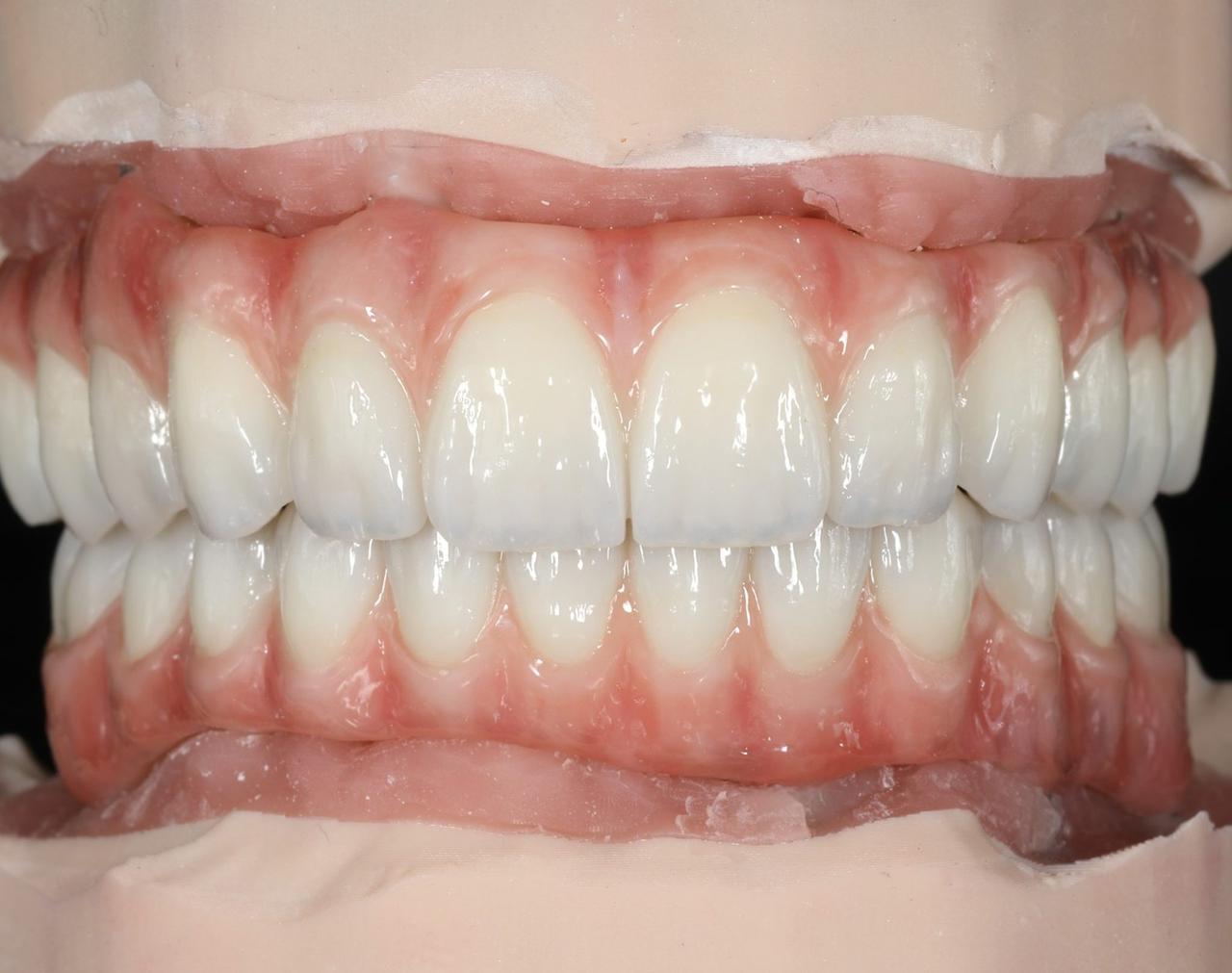
- Full-arch zirconia for All-on-X with surgical guides, printed provisionals and verification jigs, so the fit is confirmed before the final arch.
- Same-day pickup and drop-off in San Francisco.
See finished work on our cases page, or every restoration we make on products.
Start with one case
The fairest way to judge a lab is one case. Send us a single unit, a crown or a veneer, as a free trial case and talk it through with Vasyl directly. Send us a message or call +1 (415) 425-9175.
Sources
- Business Observer, October 2, 2026: Standard Dental Labs buys Dr. Tooth, moves production to Sarasota
- GlobeNewswire, October 19, 2026: Standard Dental Labs signs $10 million equity purchase agreement
- The Globe and Mail / ACCESS Newswire, October 15, 2026: Glidewell partners with Asprodental
- PRWeb, October 5, 2026: Spectrum Killian, National Dentex Labs and Open Implants unite under SPEKTRA