Implant crowns are one of the most common implant restorations performed in modern dentistry. While the dental implant provides the foundation, the final implant crown is what restores the patient’s function, esthetics, and natural appearance.
For dentists restoring single implants, choosing the right dental laboratory for implant crowns can make a significant difference in the restorative workflow and final result.
What Is an Implant Crown?
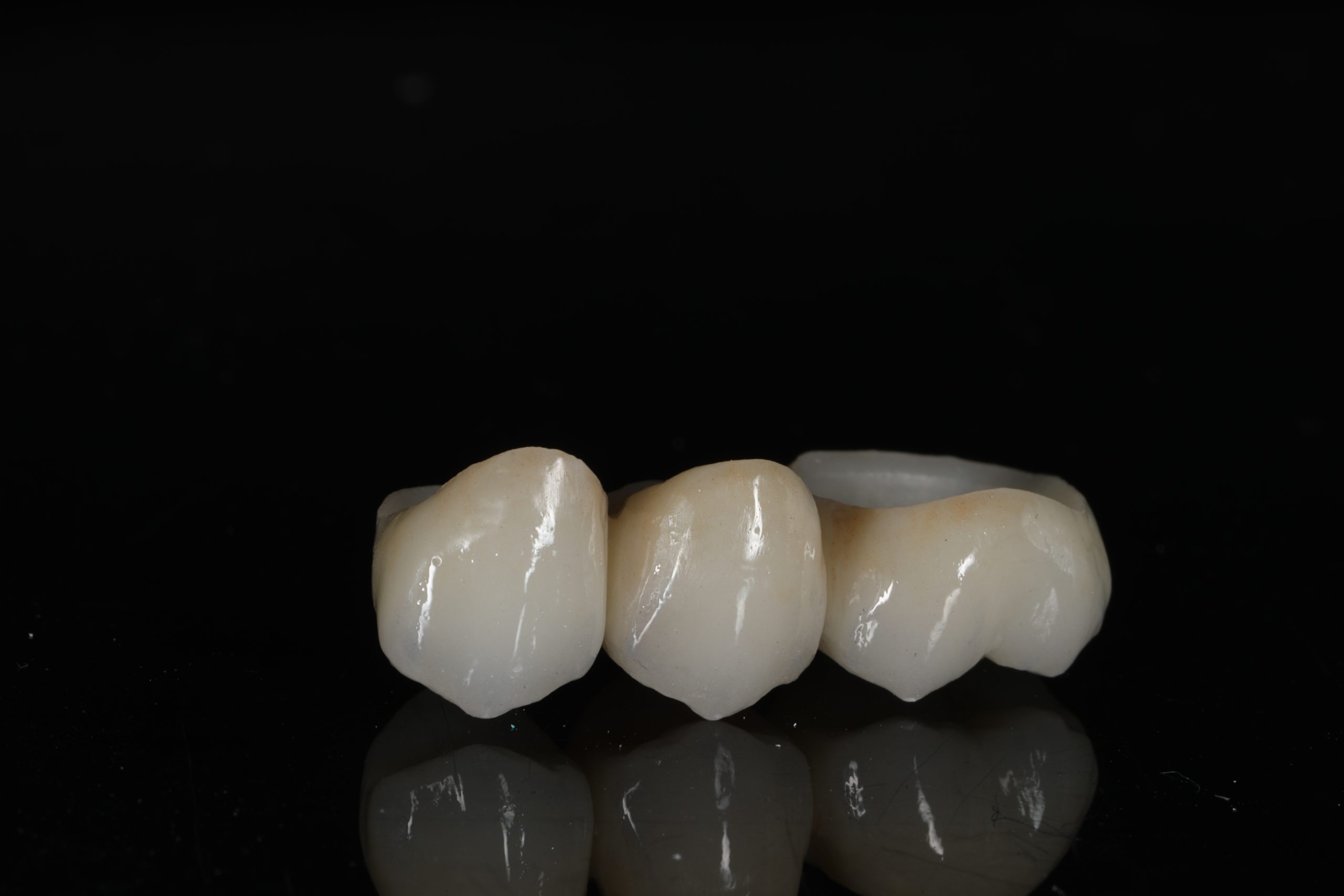
An implant crown is a custom-made dental restoration that replaces the visible portion of a missing tooth and is supported by a dental implant rather than a natural tooth.
Depending on the clinical situation, an implant crown may be screw-retained or cement-retained and can be fabricated from materials such as zirconia, lithium disilicate, or other dental ceramics.
The design of an implant crown must take into consideration the implant position, available restorative space, soft-tissue contours, occlusion, proximal contacts, emergence profile, and esthetic requirements.
Why Is the Dental Laboratory Important for Implant Crown Cases?
An implant restoration is a collaboration between the implant dentist, restorative dentist, and dental laboratory.
Accurate digital impressions, correct implant information, appropriate scan bodies, and clear communication between the dentist and dental technician are important parts of the workflow.
At the laboratory level, the implant crown must be designed around the clinical information provided by the dentist. Factors such as implant angulation, tissue position, adjacent teeth, occlusion, and the patient’s existing dentition all influence the final restoration.
Screw-Retained Implant Crowns
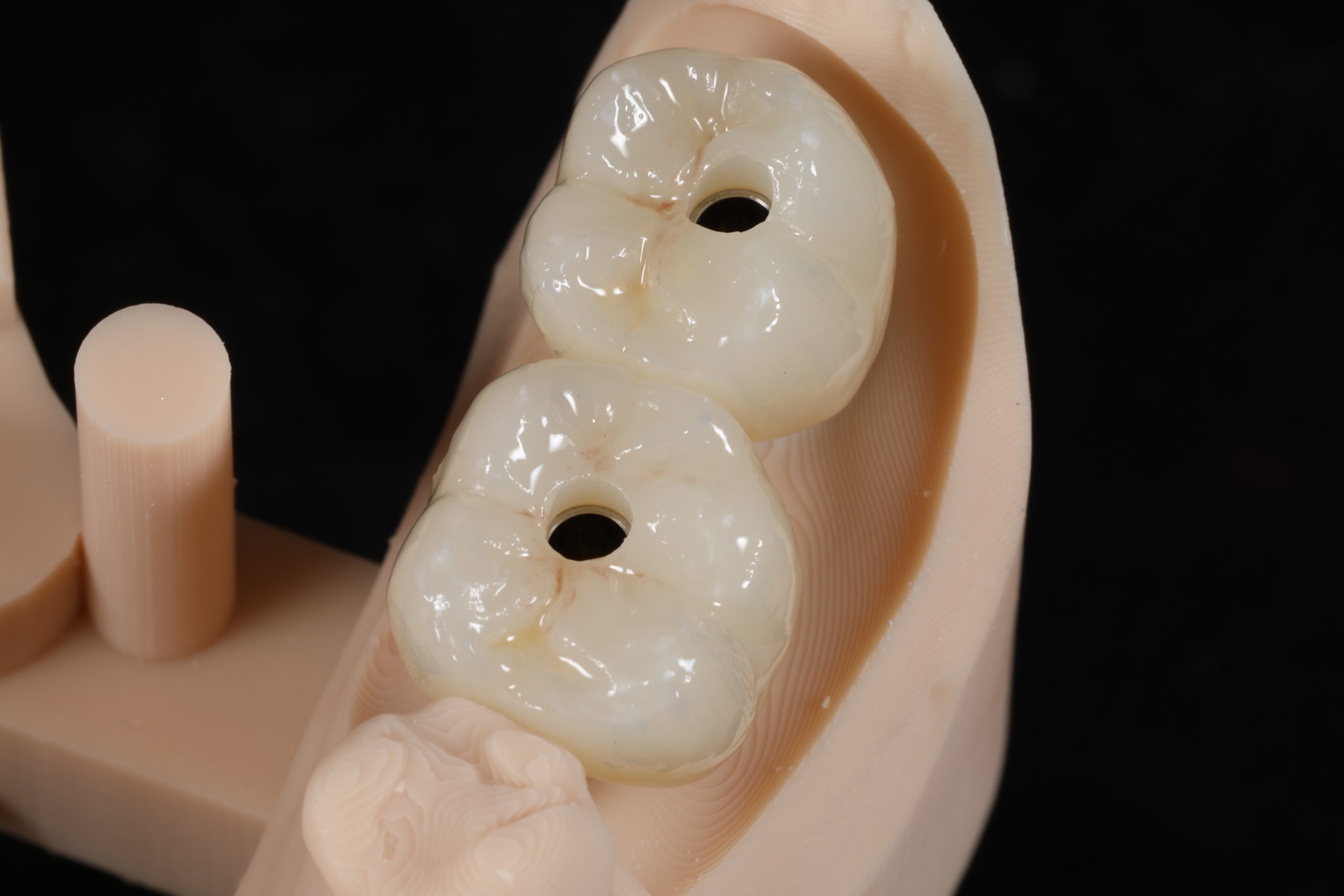
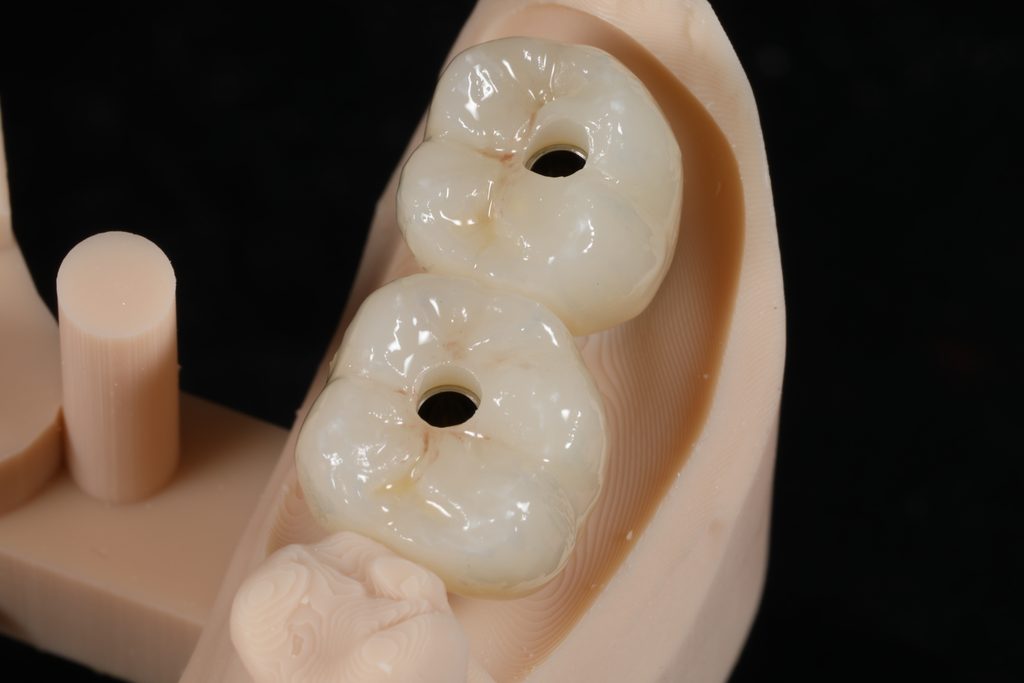
Screw-retained implant crowns are widely used because they allow the restoration to be secured directly to the implant or implant abutment and can generally be removed when necessary.
For screw-retained implant crowns, the laboratory must accurately manage the implant connection, emergence profile, occlusal anatomy, screw-channel position, proximal contacts, and overall crown design.
The final restoration should be designed according to the specific implant system and components prescribed for the case.
Zirconia Implant Crowns
Zirconia implant crowns are another popular option for implant restorations, particularly when strength and durability are important considerations.
Depending on the case, zirconia may be used as a full-contour restoration or combined with additional ceramic characterization or layering.
For anterior implant restorations, the laboratory may need to pay particular attention to translucency, shade, surface texture, tooth morphology, and the relationship between the implant crown and surrounding natural teeth.
Esthetic Implant Crowns
Anterior implant cases can be especially demanding because the restoration must integrate with the patient’s natural dentition and surrounding soft tissue.
A successful esthetic implant crown involves more than matching the shade of the neighboring tooth. Crown contour, emergence profile, contact areas, incisal anatomy, surface texture, translucency, and soft-tissue support all contribute to the appearance of the final implant restoration.
This is where communication between the dentist and ceramist becomes particularly important.
Choosing an Implant Crown Dental Laboratory
When selecting a dental laboratory for implant restorations, dentists may consider several factors:
- Experience with implant crowns
- Experience with different implant systems
- Digital implant workflows
- Communication with the dental practice
- Quality of crown design
- Material selection
- Fit and contacts
- Occlusal considerations
- Esthetic experience
- Turnaround time
- Ability to handle complex implant cases
For dentists who routinely place and restore implants, having a reliable implant dental laboratory can help create a more consistent restorative workflow.
Implant Crowns in San Francisco
For dentists in San Francisco and the Bay Area, working with a local dental laboratory can also make communication easier, particularly for complex implant and esthetic cases.
At Grin Dental Lab, we work with dentists on custom implant crowns, zirconia implant restorations, ceramic restorations, and other complex dental laboratory cases.
Our focus is on close communication with the dentist, careful crown design, and high-quality ceramic work for patients who require functional and natural-looking implant restorations.
If you are a San Francisco dentist looking for a dental laboratory for implant crowns or implant restorations, contact Grin Dental Lab to discuss your next case.