Dental Implant Codes for 2027: What CDT 2027 Changes on January 1
New CDT codes for implant prosthetics take effect on January 1, 2027: an interim fixed prosthesis for partial arches, hybrid tooth and acrylic replacement, healing caps and screw-retained removal. What each code covers and what to do before January.

Key takeaways
On January 1, 2027 the ADA's CDT 2027 code set takes effect with 67 changes. For implant prosthetics it adds codes for a healing cap (D6108), removing a screw-retained restoration (D6109), an interim fixed denture for a partially edentulous arch (D6124 maxillary, D6125 mandibular) and replacing all teeth and acrylic on a hybrid prosthesis (D6126).
- Use the code version in effect on the date of service: a case that starts in December and is delivered in January may need both.
- A new code is not a promise of payment. Each plan decides coverage; read your payers' 2027 bulletins.
- Before January: get CDT 2027, update your software and fee schedule, and agree with your lab how each prosthesis is described on the prescription.
What changes in CDT 2027
The ADA's Code Maintenance Committee met in March 2026 and approved 67 changes to the Code on Dental Procedures and Nomenclature: 28 new codes, 33 revisions and 6 editorial updates, all effective January 1, 2027, as ADA News reported. Several of the new codes describe implant work that until now had no code of its own: a healing cap, removing a screw-retained restoration to treat the implant, an interim fixed prosthesis for a partially edentulous arch, and replacing the teeth and acrylic on a hybrid.
The ADA article describes these changes in words; the code numbers and descriptors below are as published in Cigna's CDT 2027 summary for dentists. The CDT 2027 manual from the ADA is the final word on wording.
The new dental implant codes at a glance
| Code | Descriptor | When it applies |
|---|---|---|
| D6108 | Placement of healing cap on implant body | Whenever a healing cap is placed: after implant placement, after second-stage surgery, or when a restoration is removed |
| D6109 | Removal of a screw-retained indirect restoration on an implant | Taking off a screw-retained crown or prosthesis to treat the implant body |
| D6124 | Implant/abutment retained interim fixed denture for partially edentulous arch, maxillary | A provisional fixed prosthesis on implants when some natural teeth remain in the upper arch |
| D6125 | Implant/abutment retained interim fixed denture for partially edentulous arch, mandibular | The same for the lower arch |
| D6126 | Replace all teeth and acrylic on hybrid prosthesis, per arch | New teeth and acrylic on an existing hybrid framework |
Two related additions sit outside the implant section: D5521 and D5522, replacing all teeth on a complete denture (maxillary and mandibular). CDT 2027 also adds and revises semi-precision abutment and attachment codes so that natural-tooth and implant uses are reported separately.
What it means for implant and full-arch cases
Interim prostheses for partial arches now have their own codes. Until now the interim fixed denture codes (D6118 and D6119) were written for the edentulous arch. With D6124 and D6125, a provisional fixed bridge on implants in a partially edentulous arch has a specific code. When you plan one, say on the lab prescription that it is an interim prosthesis, which arch, and that natural teeth remain, so the case record and the claim describe the same thing.
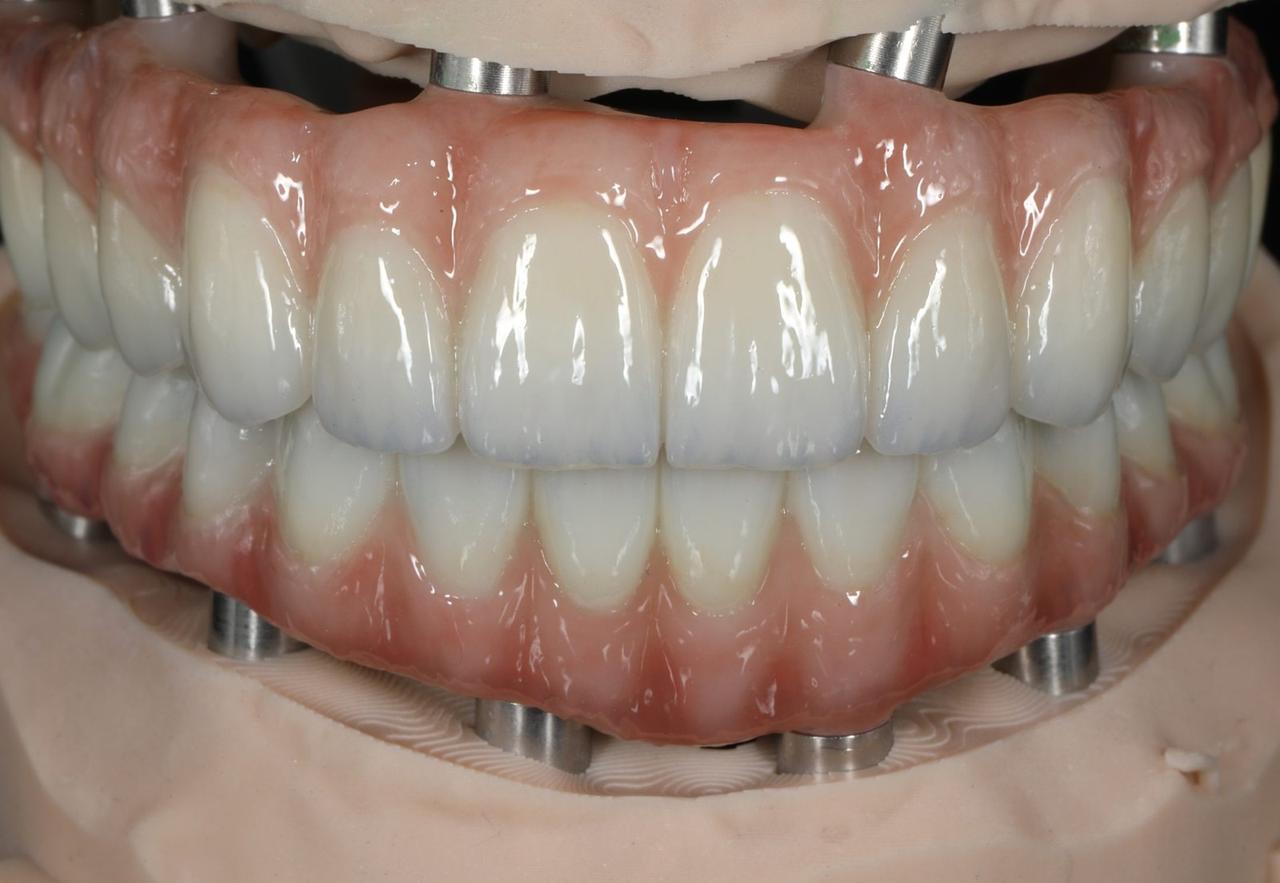
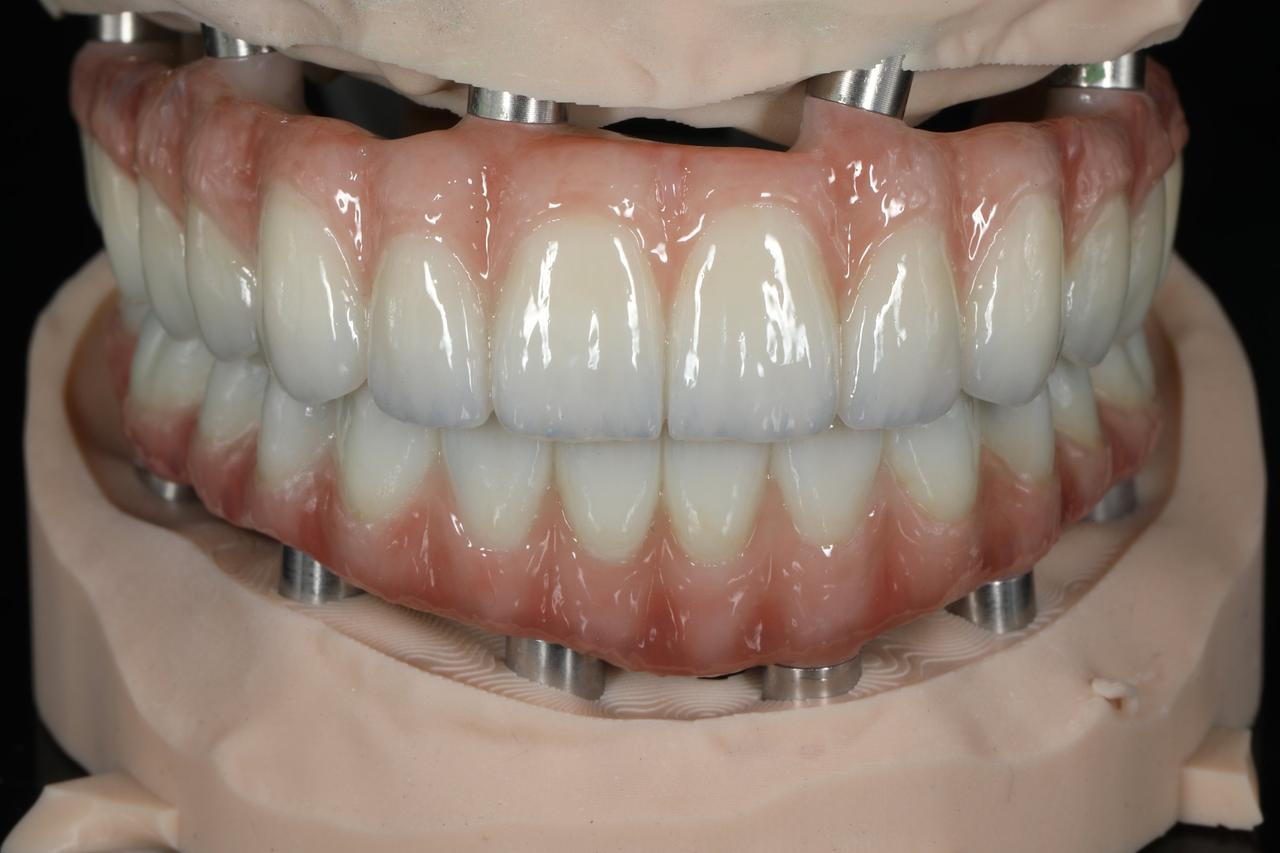
Hybrid maintenance gets a code. D6126 covers replacing all teeth and acrylic on a hybrid prosthesis, per arch: the framework stays and the lab rebuilds what wears. It is a lab procedure on the patient's existing prosthesis, so plan with your lab how long the patient will be without it and what they will wear meanwhile.
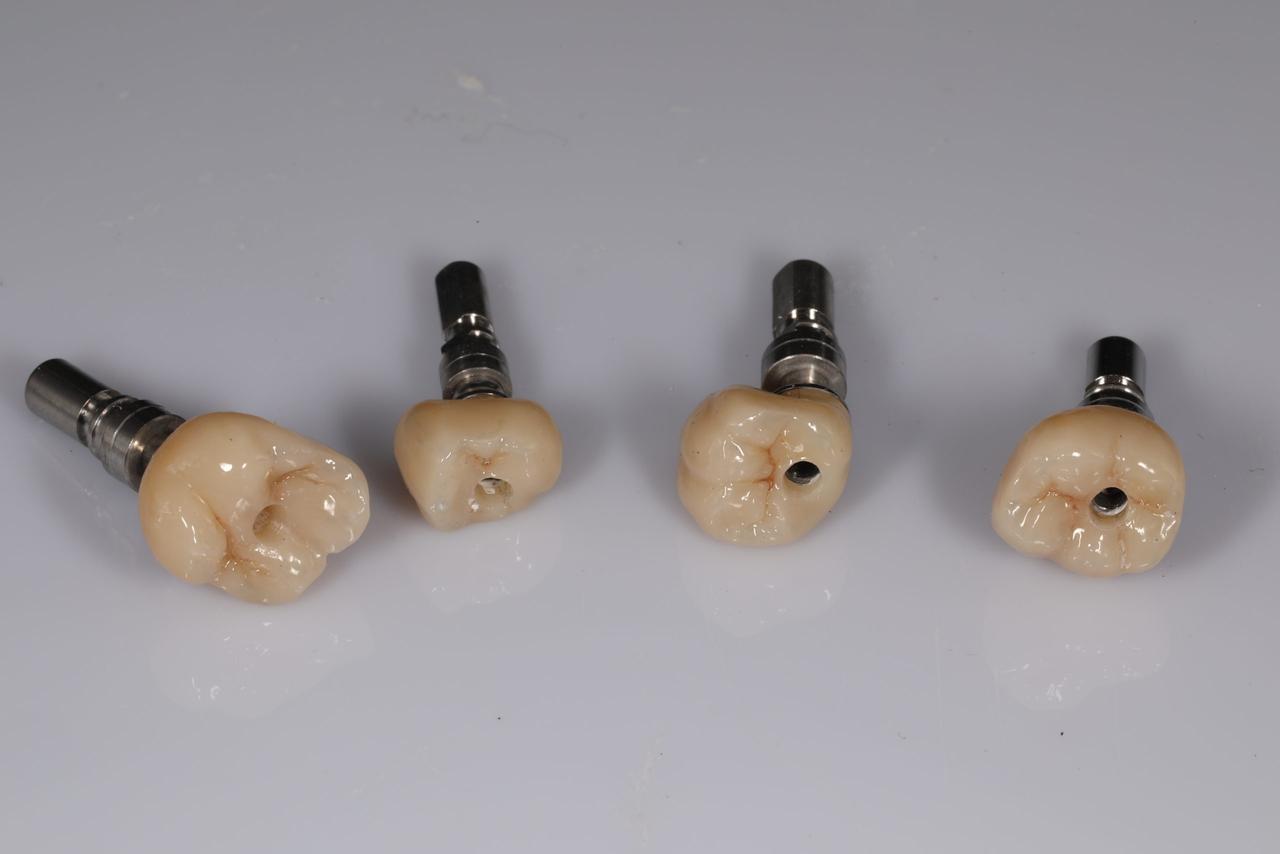
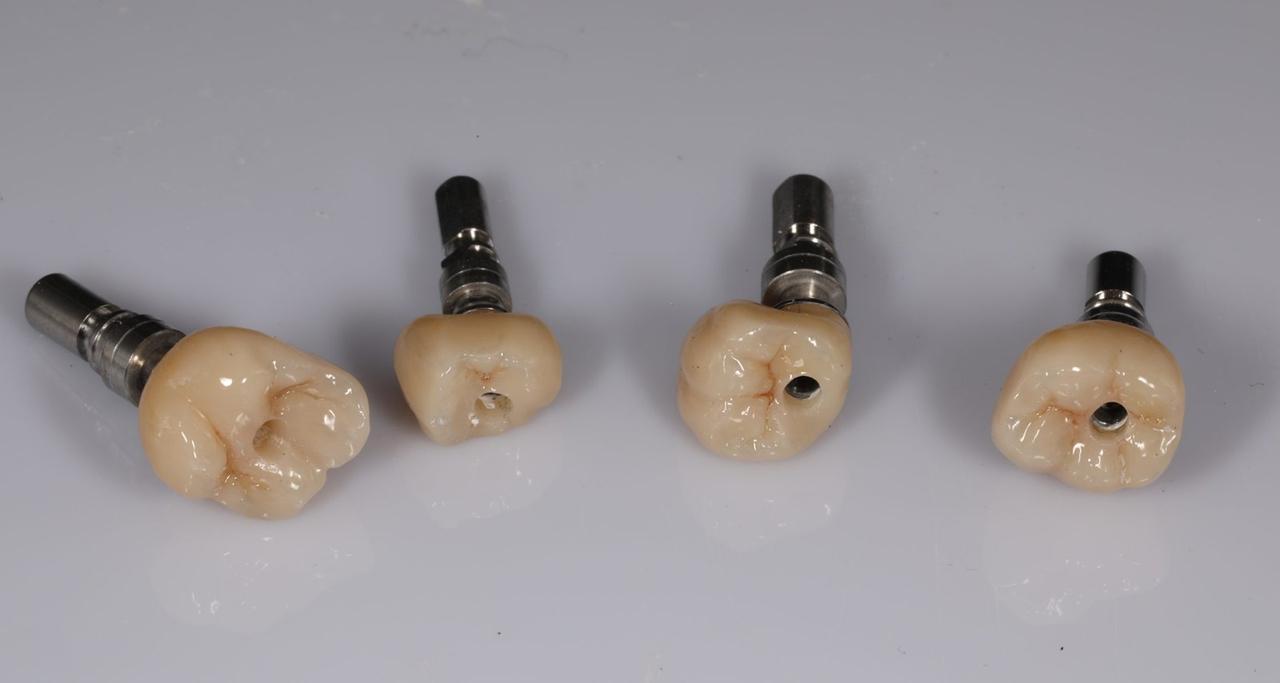
Screw access is now part of the record. D6109 describes removing a screw-retained restoration to treat the implant. It is one more reason screw retention is easy to live with; our guide to screw-retained vs cement-retained implant crowns covers when each makes sense.
Do the new codes mean insurance will pay?
No. A code describes a procedure; each plan decides whether and how it pays. Cigna, for example, says it will apply coverage guidelines to D6124 and D6125 comparable to D6119 and D6118, and to D6126 comparable to D5670, while it treats D6108 and D6109 as part of other services. Cigna also notes that not all CDT codes are covered on all its plans. Other payers will publish their own rules, so check each plan before you quote a patient.
Five steps to take before January 1
- Get CDT 2027 from the ADA and read the full descriptors for the implant codes you use.
- Make sure your practice software has the 2027 codes, and add them to your fee schedule.
- Read your main payers' 2027 bulletins for coverage, frequency limits and bundling.
- Flag implant cases that start in December and will be delivered in January.
- Agree with your lab how interim vs definitive, partial vs full arch and upper vs lower are written on the prescription.
What's new in the industry and what it means for you
Practices are buying less equipment. Dentsply Sirona's third-quarter 2026 results (November 5) show net sales of $836 million, down 7.6%, with its scanner, CAD/CAM and equipment segment down 21.6% in the Americas. What it means for you: you do not need new hardware to work digitally; a scan from the scanner you own is enough to send a case to a lab.
3Shape has a new CEO. On November 6, 3Shape named Indraneel Kanaglekar, formerly interim CEO of ZimVie, as CEO; Jacob Vishof Paulsen steps down. What it means for you: nothing changes for TRIOS users today.
A new material for in-office crowns. GC GRADIA PREMi, a hybrid ceramic for single crowns, inlays, onlays and veneers made chairside or in a lab, has been sold in the US since November 1. What it means for you: more single units can be made in the office; compare its data with zirconia and e.max before you choose. Anterior esthetics and full-arch work still depend on planning with the lab.
Frequently asked questions
What are the new ADA implant codes for 2027?
CDT 2027 adds D6108 (healing cap), D6109 (removal of a screw-retained restoration on an implant), D6124 and D6125 (interim fixed denture for a partially edentulous arch, maxillary and mandibular) and D6126 (replace all teeth and acrylic on a hybrid prosthesis, per arch).
When do the CDT 2027 codes take effect?
January 1, 2027. Report a procedure with the code version in effect on its date of service, so work done in December 2026 uses CDT 2026.
Will insurance cover the new implant codes?
It depends on the plan. A CDT code describes a procedure and does not guarantee payment. Some payers have published 2027 rules, and others treat some new codes as part of other services, so check each plan.
Which CDT codes cover dental implants?
Implant services are in the D6000 to D6199 range of the ADA's CDT Code, from implant placement and abutments to implant crowns, fixed dentures and repairs.
How we work at Grin Dental Lab
- A boutique lab for dentists only at 500 Sutter Street in San Francisco, founded by Vasyl Hryn, Certified Dental Technician, 17 years at the bench.
- Implant crowns in 5–7 business days; full-arch cases in 10–14 business days, from an accepted scan.
- A free remake within 48 hours on a lab error.
- Scans from iTero, 3Shape and Medit, or any STL file.
See our All-on-X full-arch work, implant crowns and abutments, and finished work on the cases page.
Book a free consultation with our lab
Talk a case, a material choice or your scan workflow through with our lab before you send anything. The consultation is free, for dentists. Pick a time, call +1 (415) 425-9175 or message us on WhatsApp. After the consultation, your first crown or veneer is on us.
- Free consultation, then your first crown or veneer on us
- 5–7 business days
- iTero, 3Shape, Medit or STL
- Free remake within 48 hours on a lab error
Sources
- ADA News, April 2026: 67 changes coming to CDT 2027
- Cigna Dental: CDT 2027 code changes, DPPO and Cigna Dental Care summary (PDF)
- Dentsply Sirona, November 5, 2026: Third quarter 2026 results
- 3Shape, November 6, 2026: 3Shape appoints new CEO
- Dentistry Today, October 14, 2026: New hybrid ceramic restorative material from GC
About the author
Certified Dental Technician · 17 years at the bench · founder of Grin Dental Lab
Vasyl Hryn is a Certified Dental Technician (CDT) with 17 years at the bench and the founder of Grin Dental Lab, a boutique lab for dentists only at 500 Sutter Street in San Francisco. Grin Dental Lab makes implant crowns, e.max veneers and All-on-X full-arch zirconia.